
Table of Contents
ToggleCoffee culture shapes daily routines for millions of people worldwide. From morning espresso shots to afternoon pour-overs, coffee serves as both fuel and social glue. But how do you actually become part of this global phenomenon? Whether someone wants to appreciate specialty beans or simply enjoy their cup more intentionally, understanding coffee culture opens doors to new experiences, friendships, and flavors.
This guide breaks down the essentials. Readers will learn where coffee culture comes from, which drinks and brewing methods matter most, how to find community, and ways to build meaningful coffee rituals at home. No pretentious gatekeeping here, just practical steps to help anyone deepen their relationship with this beloved beverage.
Key Takeaways
- Coffee culture has evolved through distinct waves, from mass production to today’s focus on single-origin beans, sustainability, and direct farmer relationships.
- Mastering one brewing method—like pour-over, French press, or AeroPress—helps you understand how variables like grind size and water temperature affect flavor.
- Local coffee shops, roastery tours, and online communities provide accessible entry points for connecting with fellow coffee enthusiasts.
- Fresh beans and a quality burr grinder matter more than expensive equipment when building meaningful coffee rituals at home.
- Creating an intentional morning coffee routine transforms daily caffeine consumption into a mindful, enjoyable practice.
- Sharing your coffee knowledge and brewing skills with others naturally deepens your participation in coffee culture.
Understanding the Roots of Coffee Culture
Coffee culture didn’t appear overnight. It evolved over centuries across continents, shaped by trade routes, social movements, and countless cups shared between friends.
The story begins in Ethiopia, where legend says a goat herder named Kaldi noticed his animals dancing after eating coffee cherries. By the 15th century, coffee had spread to Yemen, where Sufi monks used it to stay awake during nighttime prayers. From there, it moved to Istanbul, Venice, and eventually the entire Western world.
Coffeehouses became central to coffee culture in Europe during the 1600s. These establishments served as gathering spots for intellectuals, artists, and businesspeople. London’s coffeehouses earned the nickname “penny universities” because patrons could access conversations and ideas for the price of a cup. Some modern institutions, including Lloyd’s of London, started as coffeehouses.
The 20th century brought new waves to coffee culture. First came mass production and instant coffee. Then specialty roasters emerged in the 1960s and 70s, emphasizing origin and quality. The third wave, starting in the 1990s, treated coffee like wine, focusing on single-origin beans, precise brewing, and direct relationships with farmers.
Today, coffee culture continues to evolve. Fourth-wave trends include scientific approaches to extraction, sustainability efforts, and greater recognition for coffee producers. Understanding these roots helps newcomers appreciate why baristas care so much about grind size and why that Ethiopian natural process bean tastes like blueberries.
Exploring Popular Coffee Drinks and Brewing Methods
Coffee culture offers dozens of drink options and brewing methods. Beginners don’t need to master them all, but knowing the basics helps anyone feel confident ordering or experimenting at home.
Essential Espresso-Based Drinks
Espresso forms the foundation of most café menus. This concentrated coffee shot uses pressure to extract flavor quickly. Common espresso drinks include:
- Americano: Espresso diluted with hot water
- Latte: Espresso with steamed milk and a thin layer of foam
- Cappuccino: Equal parts espresso, steamed milk, and foam
- Flat white: Espresso with microfoam milk, less airy than a latte
- Macchiato: Espresso “stained” with a small amount of milk
Manual Brewing Methods
Many coffee culture enthusiasts prefer manual brewing for its control and ritual quality. Popular methods include:
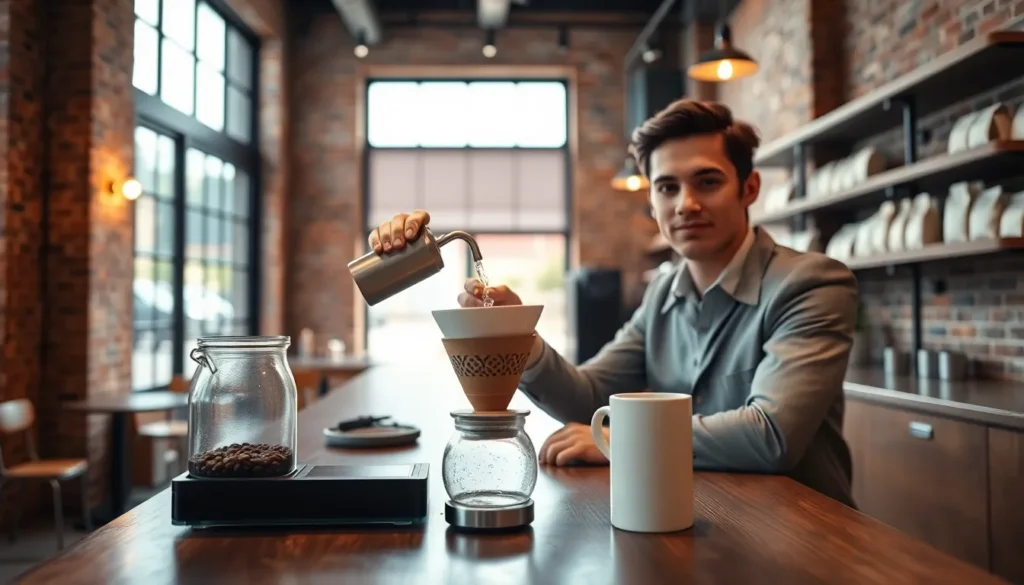
Pour-over uses a paper filter and slow, circular pouring. It produces clean, bright cups that highlight a coffee’s origin characteristics.
French press steeps coarse grounds in hot water before plunging. This full-immersion method creates heavier body and more oils in the cup.
AeroPress combines pressure and immersion for quick, versatile brewing. It’s become a coffee culture favorite for travel and experimentation.
Moka pot brews strong, concentrated coffee on a stovetop. Italian households have used these devices for generations.
Each method emphasizes different aspects of the beans. Trying several brewing styles helps people discover their preferences within coffee culture.
Finding Your Local Coffee Community
Coffee culture thrives on connection. While enjoying coffee alone brings pleasure, participating in a community deepens the experience.
Local coffee shops serve as the most accessible entry point. Independent cafés often host events like cuppings (coffee tastings), latte art throwdowns, and meet-ups for enthusiasts. Staff members at quality shops typically love sharing knowledge, they’ll explain menu items, discuss roast profiles, and recommend beans based on taste preferences.
Social media platforms connect coffee lovers across distances. Instagram accounts showcase latte art, brewing setups, and café reviews. Reddit communities like r/coffee answer questions and debate everything from grinder recommendations to water chemistry. YouTube channels offer tutorials on brewing techniques and equipment reviews.
Some cities have dedicated coffee culture organizations. These groups organize tours of local roasters, educational workshops, and social gatherings. Check event platforms like Meetup or ask at local cafés about upcoming activities.
Roasteries often welcome visitors. Many specialty roasters offer tours explaining their sourcing and roasting processes. These visits reveal the work behind each bag and create personal connections to the coffee supply chain.
Barista competitions provide another window into coffee culture. Events range from local throwdowns to national championships. Attending as a spectator introduces newcomers to high-level technique and the passion driving the industry.
Building relationships within coffee culture takes time. Regular visits to the same café, genuine curiosity about the craft, and willingness to learn create natural connections with fellow enthusiasts.
Building Your Own Coffee Rituals at Home
Coffee culture doesn’t require café visits or expensive equipment. Home rituals create daily moments of intention and enjoyment.
Start with fresh beans. Coffee reaches peak flavor within 2-4 weeks of roasting. Local roasters and specialty subscriptions provide freshly roasted options. Store beans in airtight containers away from light and heat.
Invest in a grinder before upgrading anything else. Pre-ground coffee loses flavor rapidly. Even a basic burr grinder improves cup quality dramatically. Grind beans immediately before brewing for best results.
Choose one brewing method and master it. Rather than collecting equipment, focus on understanding variables like grind size, water temperature, and brew time. Consistency matters more than complexity in coffee culture.
Create a morning sequence. The ritual itself becomes part of the pleasure. Boiling water, grinding beans, watching coffee bloom during a pour-over, these steps transform caffeine consumption into mindful practice.
Experiment gradually. Try beans from different origins. Adjust your grind finer or coarser. Taste coffee at different temperatures as it cools. Keep notes on what works. This curiosity defines coffee culture participation.
Share the experience. Brewing coffee for friends or family extends personal rituals into social ones. Teaching someone a brewing method or introducing them to quality beans spreads appreciation for coffee culture.
Home practice complements café experiences. Skills developed at the kitchen counter inform ordering decisions and deepen conversations with baristas. The boundary between amateur and enthusiast blurs with each intentional cup.


