
Table of Contents
ToggleTechnology in life trends 2026 will reshape how people work, stay healthy, and interact with their environments. The pace of innovation shows no signs of slowing. From AI assistants that handle daily chores to health devices that monitor vital signs around the clock, the coming year promises practical advances that touch nearly every aspect of modern living.
This article explores four key technology in life trends 2026 that consumers and businesses should watch. Each trend offers real benefits, and raises important questions about privacy, sustainability, and the future of human-machine interaction. Here’s what to expect.
Key Takeaways
- AI assistants will evolve from novelty to necessity in 2026, managing calendars, drafting emails, and predicting user needs before they’re asked.
- Wearable health devices will offer continuous monitoring of vital signs, with potential breakthroughs in non-invasive blood sugar tracking for diabetes management.
- Ambient computing will enable seamless smart home experiences where devices anticipate needs and respond automatically without direct interaction.
- Technology in life trends 2026 will prioritize sustainability, with advances in solid-state batteries and smart grid systems transforming energy storage and distribution.
- Privacy concerns will intensify as AI integration grows, pushing tech companies toward more transparent data practices and user consent options.
- Screen time may decrease by 20-30% as voice, gesture, and context-aware interfaces reduce our reliance on traditional displays.
AI Integration in Everyday Tasks
Artificial intelligence will become a standard feature in homes, offices, and personal devices by 2026. This technology in life trends 2026 shift moves AI from novelty to necessity.
Smarter Personal Assistants
Voice assistants like Alexa, Google Assistant, and Siri will gain new capabilities. They’ll manage calendars, draft emails, and coordinate schedules across family members. These assistants will learn individual preferences over time, offering suggestions before users even ask.
For example, an AI assistant might notice a user always orders groceries on Sundays. It could prepare a shopping list based on past purchases and current pantry inventory. This kind of predictive help saves time and reduces mental load.
AI in the Workplace
Professionals will rely on AI tools for research, data analysis, and content creation. Software like Microsoft Copilot and ChatGPT-based applications will handle routine tasks. Workers can then focus on strategy, creativity, and relationship-building.
Small businesses stand to benefit most. AI tools level the playing field by giving smaller teams access to capabilities once reserved for large corporations with dedicated IT departments.
Privacy Considerations
As AI integration grows, so do privacy concerns. Users will need to decide how much personal data they share with these systems. Tech companies face pressure to offer transparent data practices and easy opt-out options. The technology in life trends 2026 conversation will include serious discussion about data ownership and consent.
Advances in Wearable Health Technology
Wearable health devices will move beyond step counting in 2026. This technology in life trends 2026 category includes smartwatches, rings, patches, and even smart clothing that monitors vital health metrics.
Continuous Health Monitoring
Devices will track heart rate variability, blood oxygen levels, sleep quality, and stress indicators throughout the day. Some wearables will detect early signs of illness before symptoms appear. Apple, Samsung, and Garmin continue to add medical-grade sensors to consumer products.
The FDA has already approved several wearable features for medical use. By 2026, expect more devices to receive regulatory approval for detecting conditions like atrial fibrillation and sleep apnea.
Blood Sugar Monitoring Without Needles
Non-invasive glucose monitoring represents a major breakthrough. Companies are developing smartwatches and patches that measure blood sugar without finger pricks. This technology in life trends 2026 advance could transform diabetes management for millions of people.
Apple has reportedly worked on this feature for years. If it launches in 2026, it would mark one of the most significant health tech developments in recent memory.
Mental Health Applications
Wearables will also address mental wellness. Devices will track stress patterns, sleep disruptions, and activity levels that correlate with mood changes. Some apps will offer guided breathing exercises or suggest breaks when stress levels spike.
This data helps users understand their mental health patterns over time. It also supports conversations with healthcare providers by offering concrete information rather than vague descriptions.
The Rise of Ambient Computing
Ambient computing describes technology that works in the background without requiring direct interaction. This technology in life trends 2026 concept means devices anticipate needs and respond automatically.
Smart Home Evolution
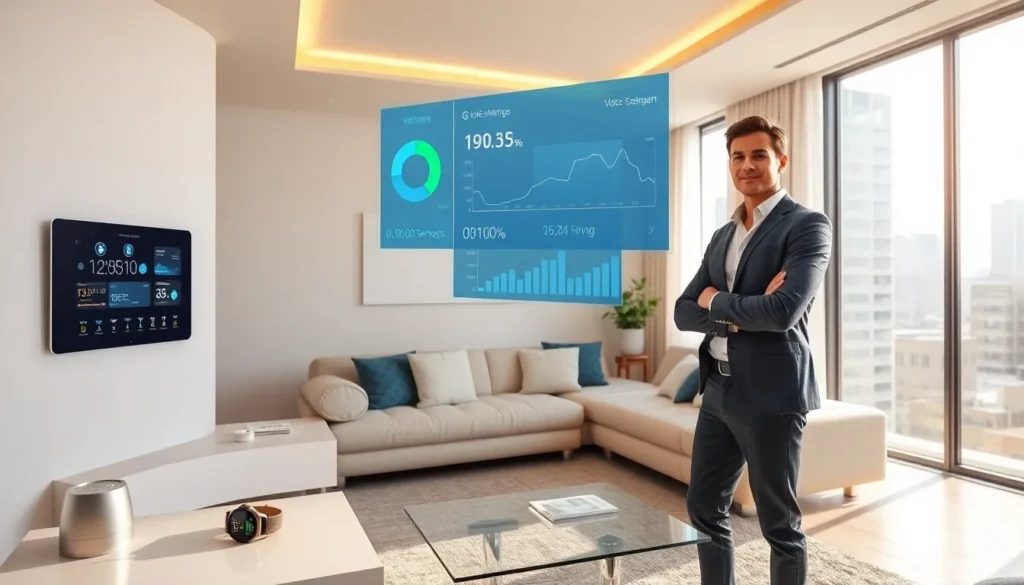
Smart homes in 2026 will feel less like collections of separate gadgets and more like unified systems. Lights will adjust based on time of day and occupant preferences. Thermostats will learn schedules and optimize energy use. Security cameras will distinguish between family members, delivery drivers, and potential threats.
The key difference from current smart homes? These systems will work together seamlessly. A single platform will coordinate devices from different manufacturers, reducing the frustration of managing multiple apps.
Voice and Gesture Control
Ambient computing reduces reliance on screens. Users will control devices through voice commands, hand gestures, and even eye movements. This shift benefits people with disabilities and anyone who finds constant screen time exhausting.
Some technology in life trends 2026 experts predict that ambient interfaces will reduce average daily screen time by 20-30%. That’s a significant change in how humans interact with technology.
Context-Aware Responses
Ambient systems will understand context. They’ll know when someone is working versus relaxing, hosting guests versus spending time alone. Responses will adjust accordingly, playing energetic music during a workout, dimming lights during movie time, or silencing notifications during sleep hours.
This context awareness requires sophisticated sensors and AI processing. It also raises questions about surveillance and data collection in private spaces.
Sustainable Tech and Energy Innovation
Environmental concerns will drive significant technology in life trends 2026 developments. Consumers and corporations increasingly demand products that reduce carbon footprints and conserve resources.
Renewable Energy Storage
Battery technology continues to improve. Solid-state batteries offer higher energy density and faster charging than current lithium-ion options. These advances make electric vehicles more practical and home energy storage more affordable.
Tesla, BYD, and other manufacturers are scaling production of next-generation batteries. By 2026, home battery systems could store enough solar energy to power households through multiple cloudy days.
Sustainable Manufacturing
Tech companies face growing pressure to reduce manufacturing waste. Apple, Google, and Samsung have committed to using recycled materials in new products. Some firms now offer trade-in programs that refurbish old devices rather than destroying them.
This technology in life trends 2026 shift reflects consumer values. Surveys show younger buyers prefer brands with clear environmental commitments. Companies that ignore sustainability risk losing market share.
Smart Grid Technology
Electric grids will become smarter in 2026. AI-powered systems will balance supply and demand in real time, reducing waste and preventing blackouts. Homeowners with solar panels will sell excess energy back to the grid automatically.
These smart grids also support electric vehicle charging. As EV adoption grows, intelligent energy distribution becomes essential to avoid overwhelming local infrastructure.


